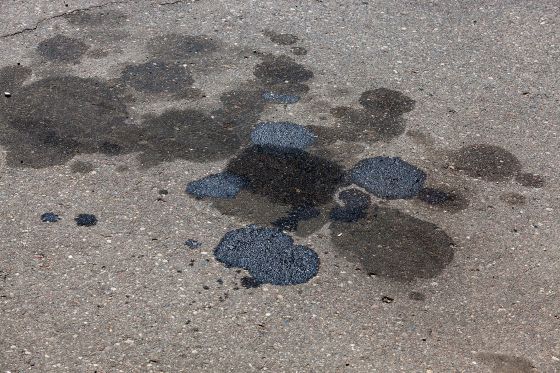
What costs are caused by leaks in hydraulic systems?
Leaks in hydraulic systems cause oil loss, increased energy consumption and high follow-on costs due to wear and downtime.
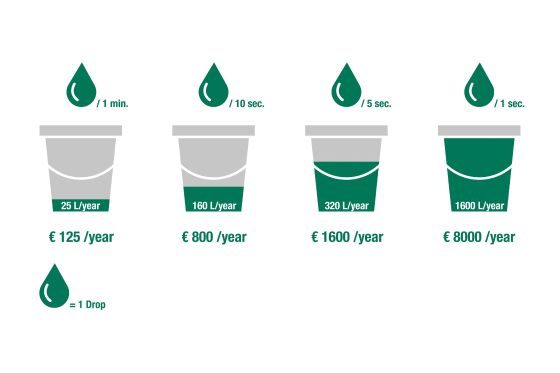
Direct costs arise primarily from the loss of hydraulic oil and the additional energy required. Even small leaks add up over time to significant volume losses. At the same time, pressure losses mean the system has to use more energy to achieve the same performance. This leads to rising energy costs and inefficient operation. Maintenance costs also increase, as leaks must be located and damaged components replaced.
Indirect costs are often even more serious. Pressure losses in the system reduce efficiency and lengthen cycle times, which has a direct impact on productivity. At the same time, leaks allow contaminants such as dust or water to enter the system, accelerating wear on pumps, valves and cylinders. This leads to more frequent breakdowns and rising spare parts costs.
What does a leak in a hydraulic system really cost?
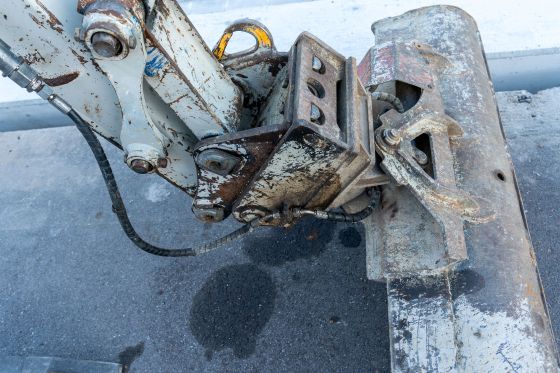
Causes of leaks at connections and joints
The majority of all leaks occur at connection points – particularly at connections and Adaptors.
Typical causes include assembly errors, worn seals, material fatigue, as well as mechanical stress and vibrations. Incorrect assembly is particularly critical. Connections that are either too loose or too tight can compromise the seal and lead to leaks in the long term.
Measures to prevent leaks
Leaks can be effectively reduced right from the planning and assembly stages.
A key approach is to minimise potential weak points. Every additional connection increases the risk of a leak. Through intelligent design, the number of these interfaces can be significantly reduced.
Correct assembly is also crucial. This includes the precise alignment of components, the use of suitable tools and controlled tightening to specified torque values.
The role of high-quality connection technology
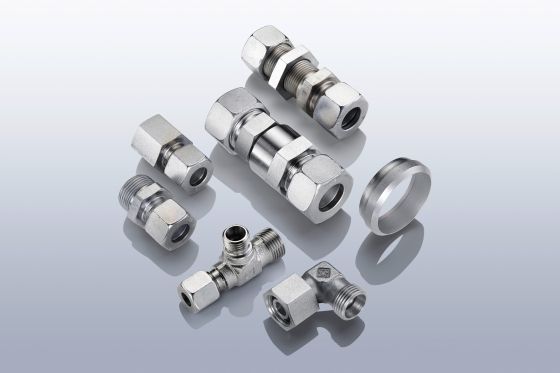
Hydraulic connection elements are key components of any system and, at the same time, common weak points. Their quality has a decisive influence on the leak-tightness and reliability of the entire system.
High-quality solutions ensure reliable sealing performance even under high loads, high resistance to vibrations and a longer service life for the components. This significantly reduces maintenance requirements and unplanned downtime.
Why correct fastening is crucial
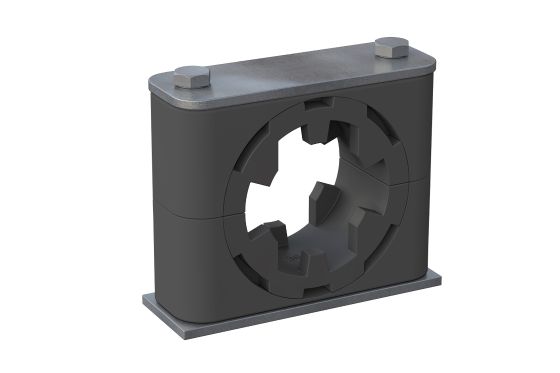
Vibrations and mechanical movements are among the most frequently underestimated causes of leaks. They can cause connections to loosen during operation or lead to material fatigue.
Targeted securing of pipework significantly reduces these risks. Pipe clamps ensure that pipework is held securely in place and that movement is controlled and limited.
STAUFF solutions help to prevent leaks by reducing vibrations, minimising mechanical stresses and permanently stabilising connections. Pipe clamps can only fulfil their function fully if they are correctly specified. Key factors here include pipe dimensions, load levels and environmental conditions.
FAQs
Why do even small hydraulic leaks lead to high costs?
Even minor leaks cause continuous oil loss and pressure drops. This increases energy consumption, reduces efficiency and leads to increased wear within the system.
What role do hydraulic fittings play in leaks?
Fittings are critical connection points in the system. Incorrect assembly, unsuitable designs or wear and tear often mean that they are among the main causes of leaks.
How can installation errors in hydraulic connections be avoided?
Installation errors can be avoided by consistently adhering to the manufacturer’s specifications, using suitable tools and employing trained staff. Controlled tightening to a defined torque or angle of rotation is crucial.
Why should as few connections as possible be used?
Every additional connection represents a potential risk of leakage. A reduced number of connection points increases system reliability and minimises the risk of leaks.
How do pipe clamps help to prevent leaks?
They stabilise pipes, reduce vibrations and minimise mechanical stress. This helps to maintain the integrity of the joints in the long term.

Newsletter Sign-up
Sign up now and never miss another post!